
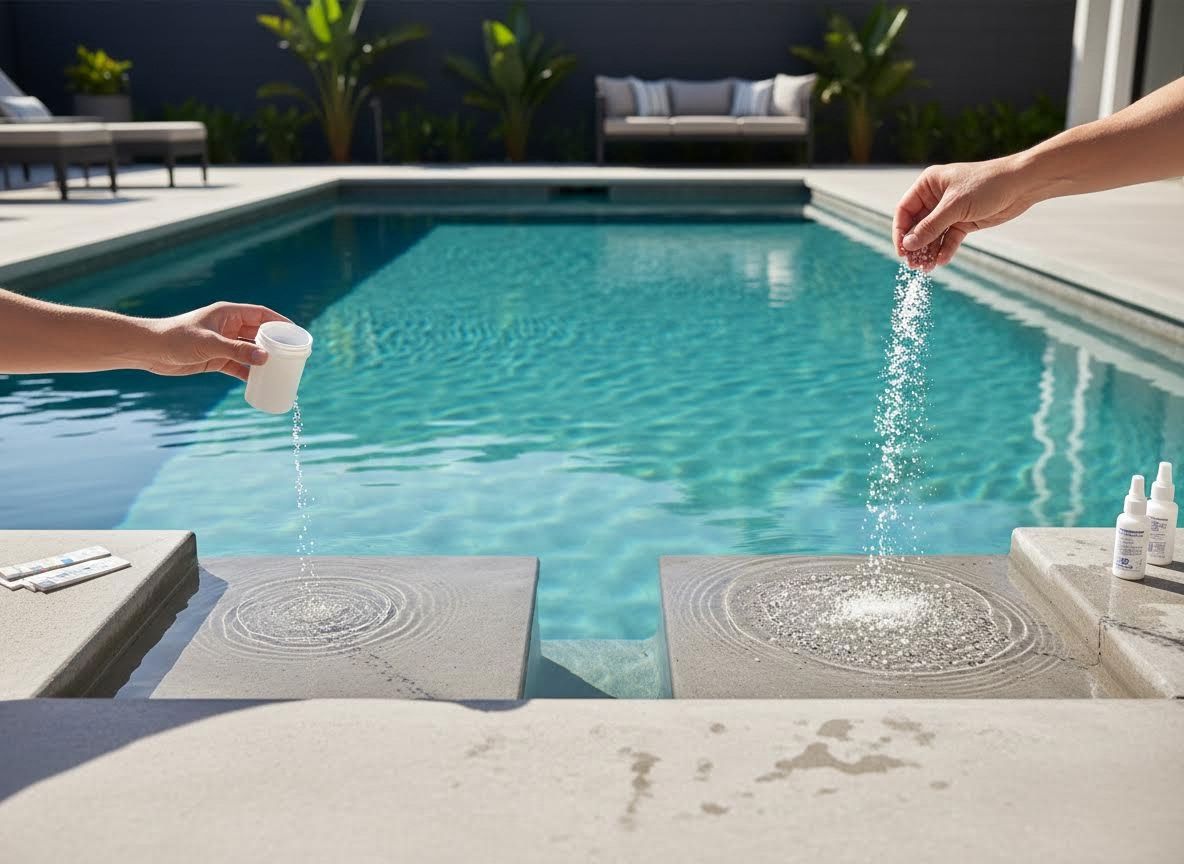
Choosing the right sanitation system for your concrete pool is a significant decision that impacts not only your swimming experience but also the long-term integrity of your pool shell. Many homeowners ponder the age-old question: saltwater or traditional chlorine? At Alamode Concrete, we understand that making an informed choice requires a clear understanding of how each system interacts with your concrete pool, and we're here to shed some light on the subject based on our extensive experience in pool installation and repair.
The Foundation: Your Concrete Pool Shell
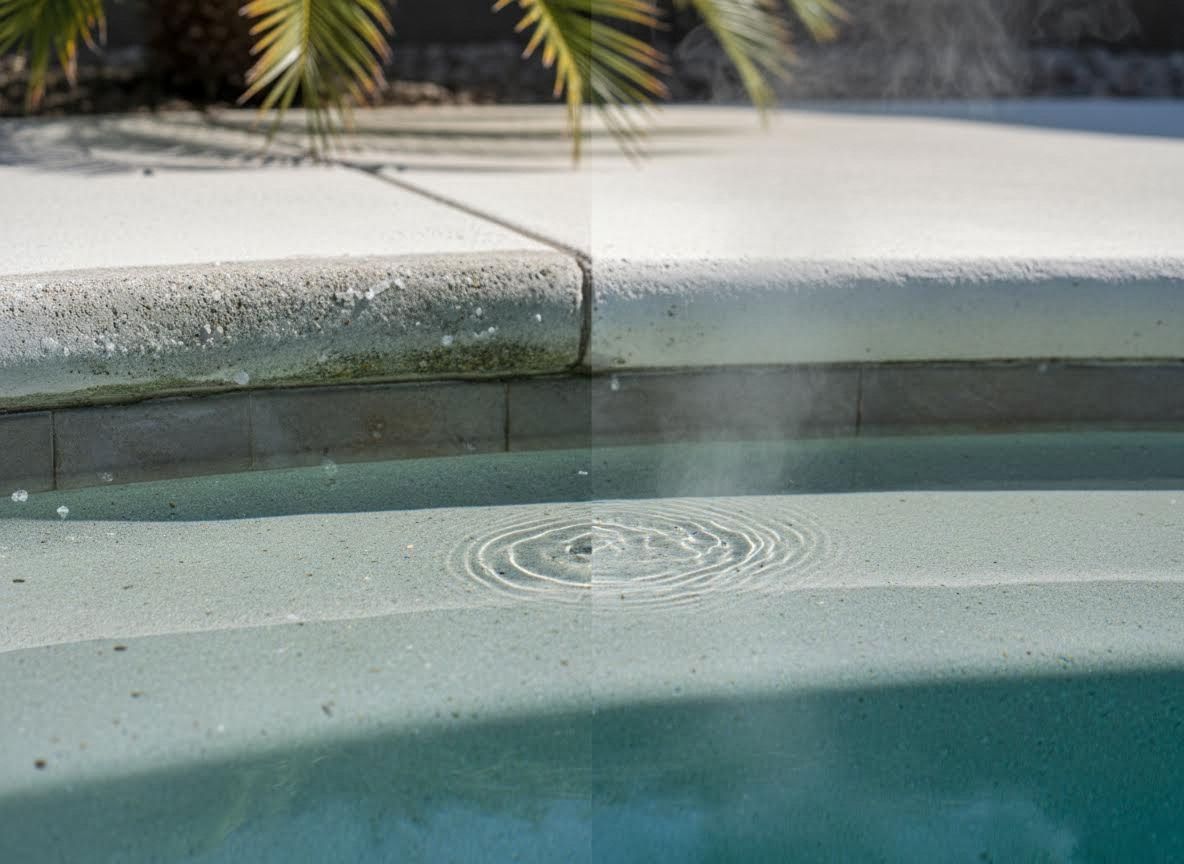
A concrete pool shell provides a durable and customizable foundation for your backyard oasis. Constructed with reinforced concrete, these shells are designed for longevity, offering a robust structure that can withstand various environmental factors and water chemistry. However, concrete is a porous material to some extent, and its long-term health is directly influenced by the quality of its installation and the chemical balance of the water it contains. Understanding this inherent characteristic is key to appreciating the different impacts of saltwater and chlorine systems.
The Traditional Approach: Chlorine Pools and Concrete
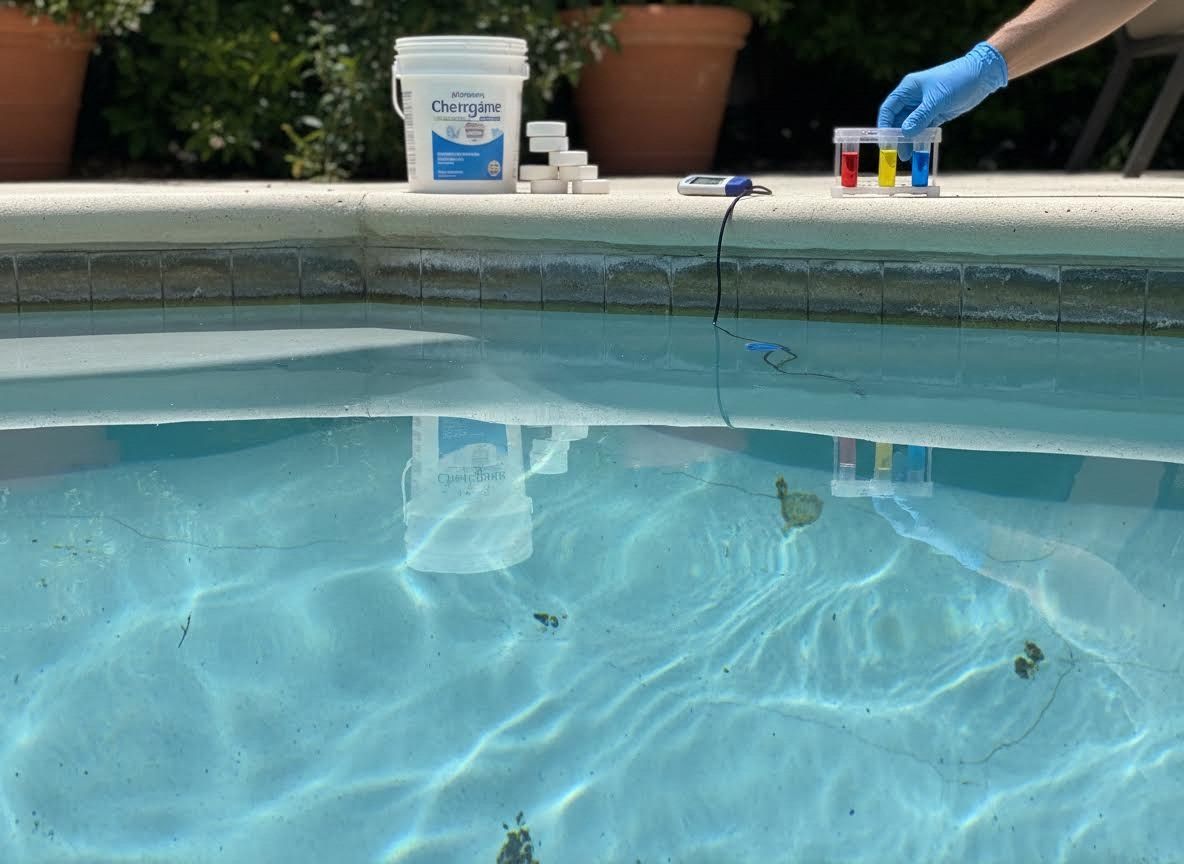
Traditional chlorine pools utilize chlorine tablets, liquid, or granular forms to sanitize the water, keeping it free from bacteria and algae. When chlorine levels are consistently high or water chemistry is poorly managed (e.g., pH imbalances), it can potentially lead to issues with your concrete pool shell over time. Aggressive chemicals can etch the surface, leading to a rougher finish, and contribute to the degradation of the plaster or interior finish that protects the concrete. Staining can also occur if certain chemicals are allowed to settle on the surface. Proper testing and consistent adjustment of pH, alkalinity, and calcium hardness are crucial to mitigate these potential effects and ensure the longevity of your concrete structure.
The Modern Alternative: Saltwater Pools and Concrete
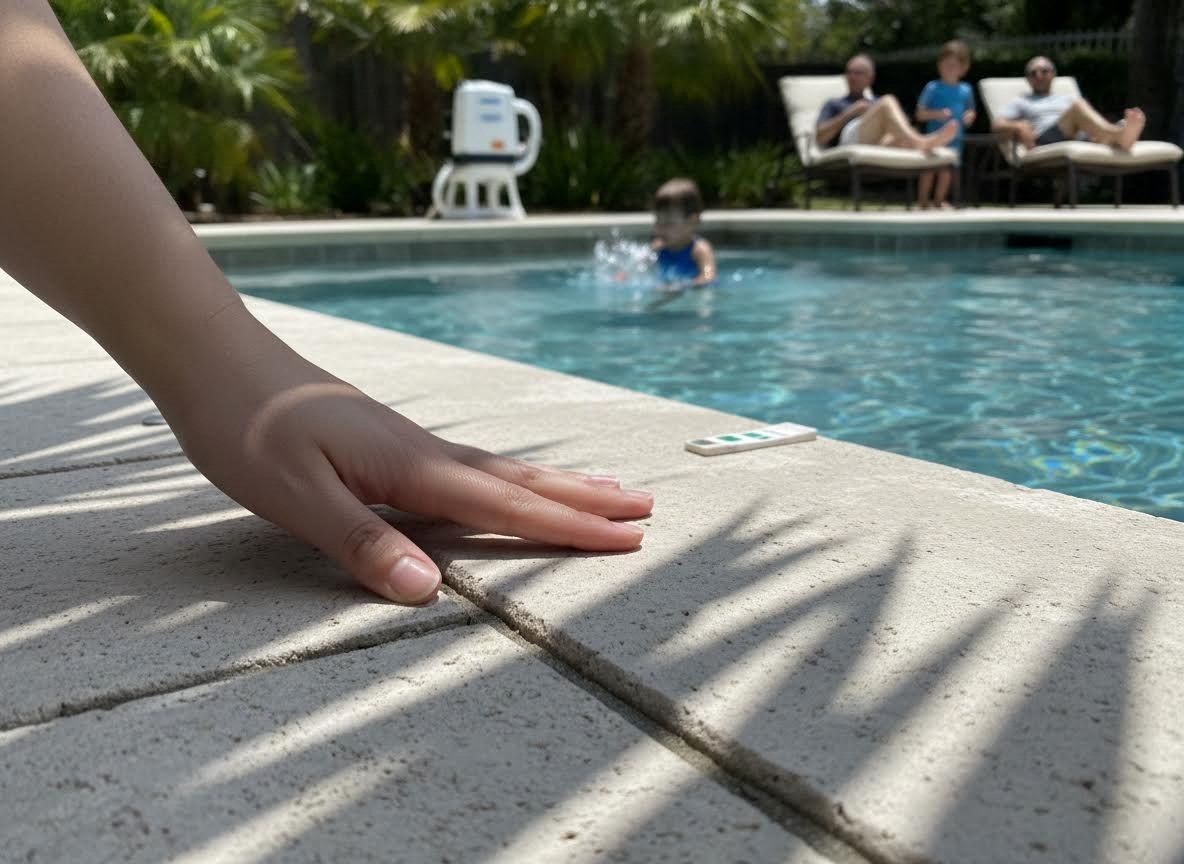
Saltwater pools operate by using a salt chlorine generator to convert dissolved salt into chlorine. This means saltwater pools are chlorine pools; they simply produce chlorine in a different, more consistent, and often gentler way. The salt itself, typically sodium chloride, is not inherently corrosive to concrete in the same way direct, highly concentrated chlorine or imbalanced water chemistry can be. However, prolonged exposure to water with high salinity can accelerate efflorescence (white mineral deposits) on coping stones or other surrounding concrete if not properly sealed or maintained. The consistent, lower levels of chlorine produced by these systems can often be less harsh on finishes compared to dramatic fluctuations with traditional chlorine, but vigilant water balance, especially pH and calcium, remains paramount to protect your concrete shell.
Ensuring Longevity: Maintenance and Professional Expertise
Regardless of whether you choose a traditional chlorine or a saltwater system, the key to protecting your concrete pool shell and maximizing its lifespan lies in meticulous maintenance and professional installation. Regular water testing and balancing of pH, alkalinity, calcium hardness, and sanitizer levels are non-negotiable. Furthermore, ensuring your pool's interior finish (like plaster or aggregate) is in excellent condition provides an essential protective barrier for the concrete. Proper sealing of surrounding concrete and coping can also prevent issues associated with water exposure. Partnering with experienced professionals for both installation and ongoing care ensures that your concrete pool shell remains a durable and beautiful part of your home for many years.
At Alamode Concrete, we bring over 20 years of expertise in pool building and decorative concrete to every project in Ottawa, ensuring your concrete pool shell is installed with the highest standards of quality and durability. If you're considering a new pool or looking to understand the best care for your existing one, our team is ready to discuss the nuances of saltwater and chlorine systems and help you make the best choices for your outdoor living space. To learn more about maintaining your concrete pool or exploring your installation options, reach out to our friendly and reliable team today.